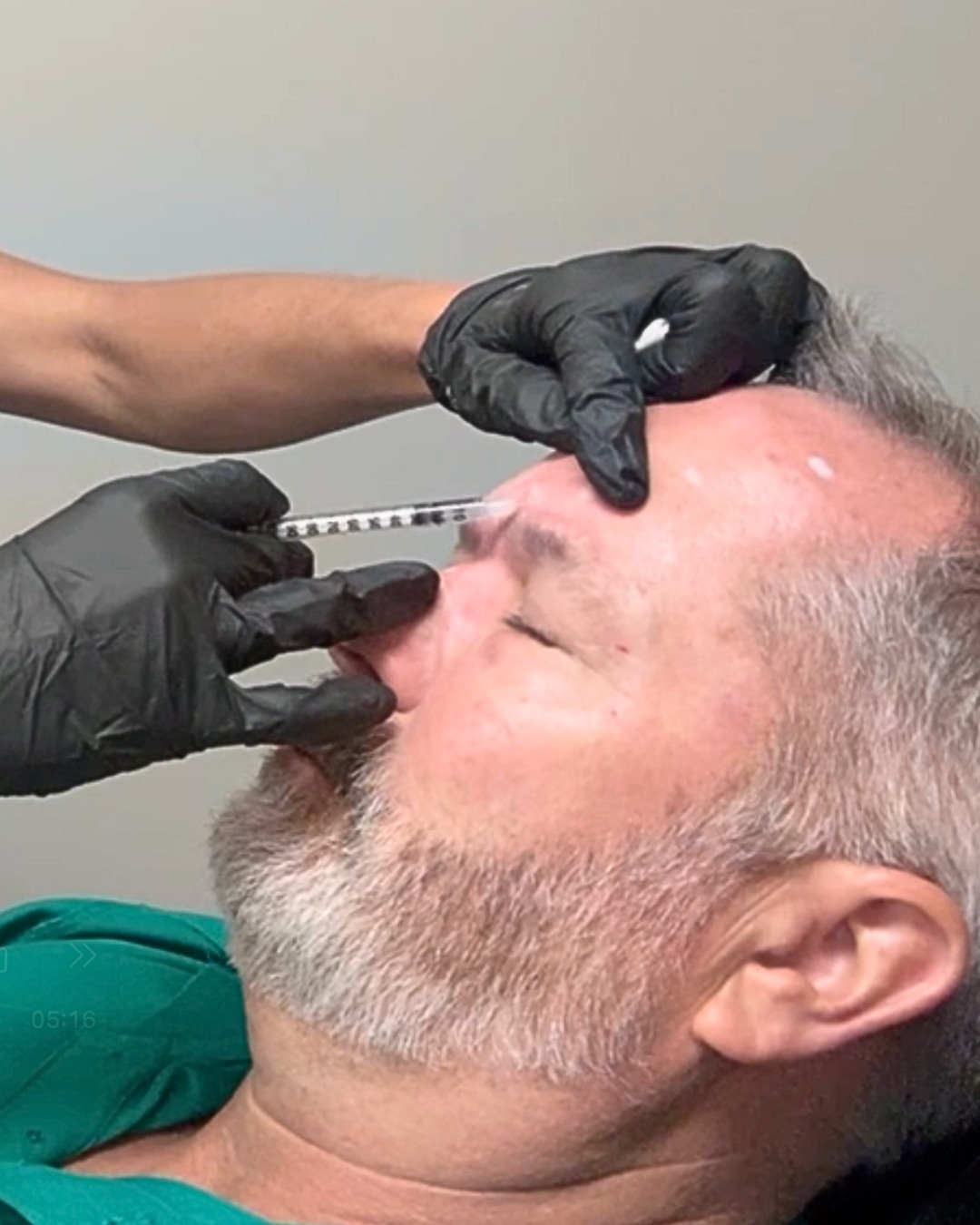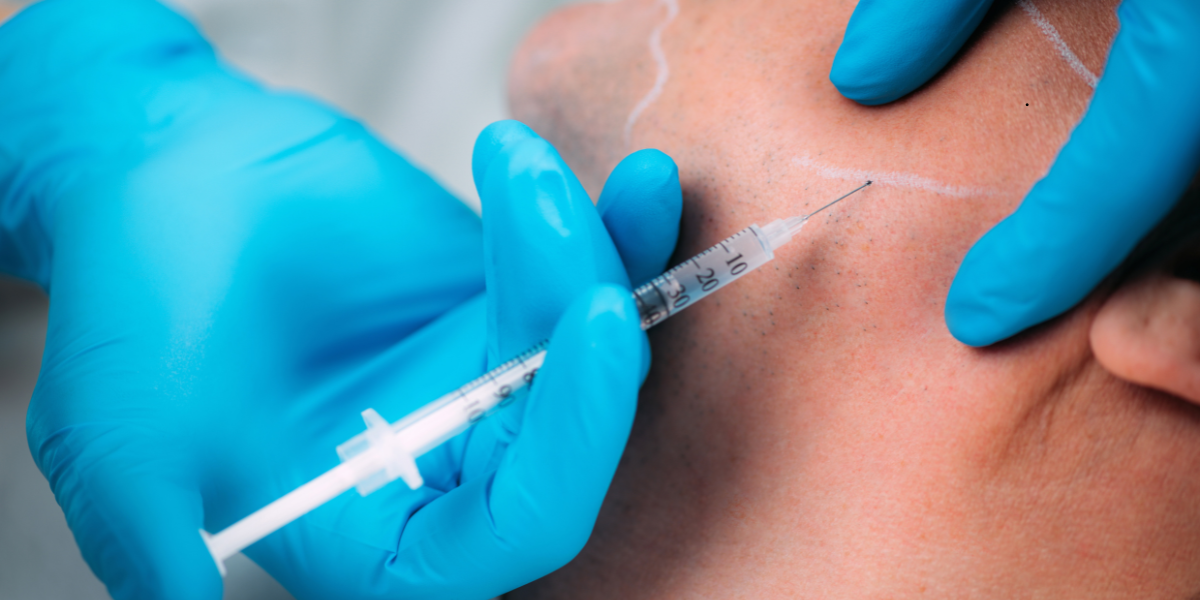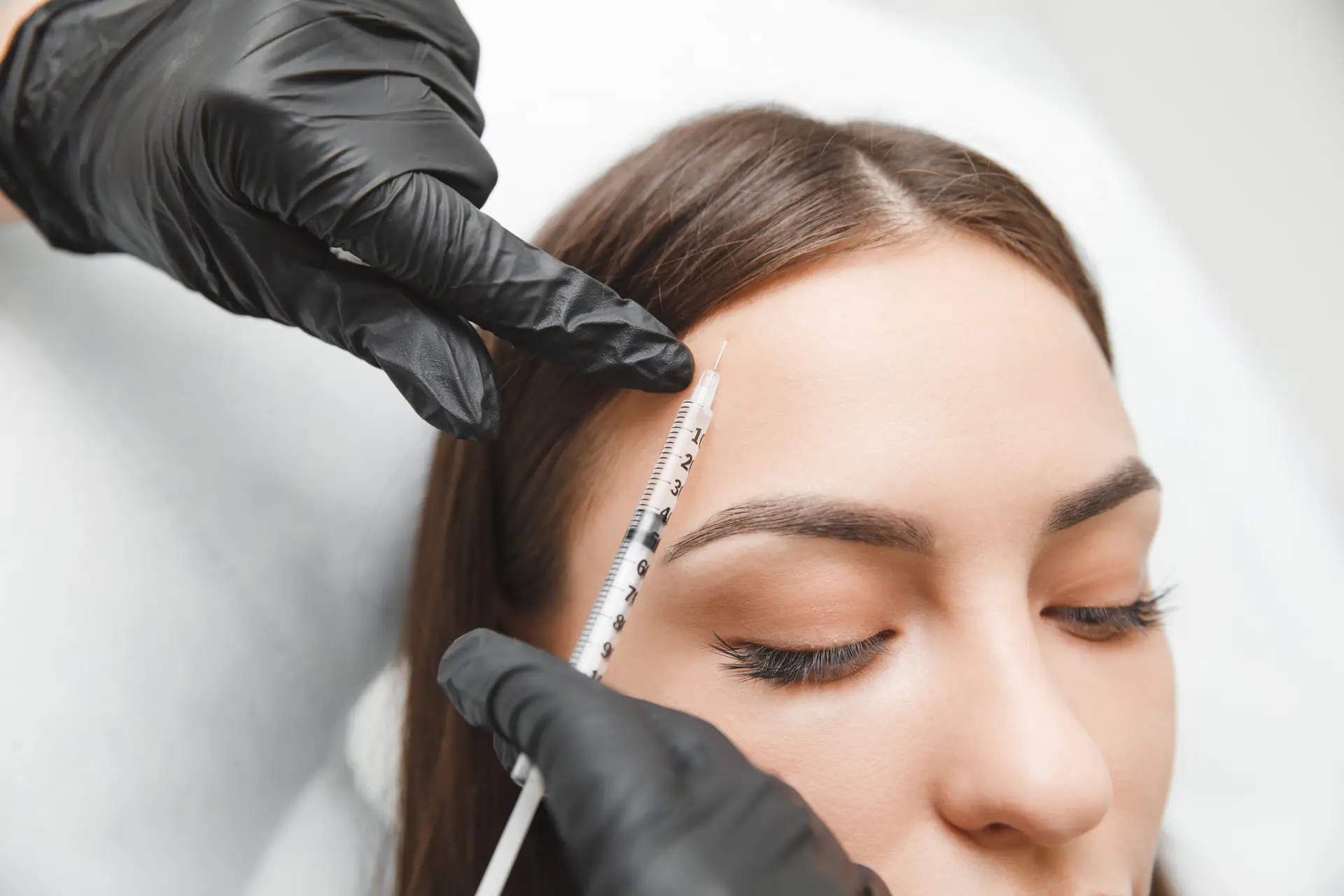

The Core Difference: Replacement vs. Regeneration
The simplest way to understand the distinction is this:
Traditional dermal fillers replace lost volume.
Sculptra helps your body rebuild it.
Traditional Dermal Fillers
- Immediate volume and contour
- Predictable, precise shaping
- Ideal for defined areas
- Temporary results that fade gradually
Sculptra
- Gradual collagen stimulation
- Long-term structural improvement
- Ideal for diffuse volume loss
- Results develop slowly and last longer
Where Traditional Dermal Fillers Shine
Traditional fillers are best suited for areas that require definition, shape, or targeted correction.
They are commonly used for:
- Lips and lip borders
- Cheeks needing lift or contour
- Jawline and chin definition
- Nasolabial folds
- Tear troughs
- Hands
Considering hand rejuvenation? Our guide details how fillers can restore youthful softness to your hands.
These treatments are ideal for patients who want visible improvement right away or who are preparing for an event.
Where Sculptra Excels
Sculptra is especially valuable when the concern is overall facial thinning or collagen loss, rather than isolated folds.
It works beautifully for:
- Diffuse midface volume loss
- Hollow temples
- Pre-jowl softening
- Overall skin laxity
- Early structural aging
Sculptra does not create sharp contours or dramatic changes. It restores what time gradually removed.
Timeline: What to Expect From Each Treatment
Traditional Dermal Fillers
- Results visible immediately
- Mild swelling or tenderness for a few days
- Final results settle within one to two weeks
- Longevity typically six to eighteen months
If you are new to fillers, our step-by-step guide walks you through the full experience.
Sculptra
- No immediate visible volume
- Collagen production begins gradually
- Noticeable improvement over six to twelve weeks
- Results can last two years or more
Sculptra is usually performed as a series of treatments for optimal collagen stimulation.

Who Is a Good Candidate for Hand Filler
Hand filler is ideal for individuals who notice:
- Prominent veins and tendons
- Hollow or bony appearance
- Thin skin with visible structure
- Hands that look older than their face
- Desire for subtle, natural improvement
It is especially popular among professionals, caregivers, and individuals who use their hands expressively throughout the day.
A consultation allows your provider to evaluate skin thickness, volume loss, and overall goals before creating a customized plan.
What the Hand Filler Procedure Is Like
One of the reasons hand filler is so well loved is because it is efficient and comfortable.
Consultation
Your provider will assess your hands at rest and in motion. The goal is to restore softness without compromising function.
Preparation
A topical numbing agent is applied for comfort. Many fillers also contain lidocaine to enhance the experience.
Injection
Using fine needles or cannulas, filler is placed strategically across the back of the hands to smooth contours and restore fullness.
Sculpting
Gentle massage ensures even distribution and natural blending.
Aftercare
Minimal downtime is required. Mild swelling or tenderness resolves quickly.
The entire process is typically completed in under an hour.
How Long Results Last
Hand filler results typically last six to eighteen months, depending on the type of filler used and individual metabolism.
Many clients find that maintenance treatments require less product over time because the skin responds positively to restored support and hydration.
Consistency leads to the most natural long term results.
How Hand Filler Differs From Facial Filler
While the product may be similar, the technique is different.
Hands require:
- More diffuse placement
- Softer structural support
- Conservative volume
- Careful attention to symmetry
To better understand how filler is customized across the face and body, explore our blog From Lips to Cheeks: Area Specific Benefits of Dermal Fillers, which explains why technique matters as much as product choice.

The Role of Anatomy and Injector Expertise
Both treatments require advanced understanding of facial anatomy.
Traditional fillers demand precision to avoid overcorrection, unevenness, or heaviness.
Sculptra requires careful placement to ensure smooth, even collagen formation.
At Face Fabulous Med Spa, every injectable treatment is guided by:
- Facial structure and symmetry
- Skin thickness and elasticity
- Natural movement and expression
This is why experience matters far more than the product itself.
Can Sculptra and Traditional Fillers Be Combined?
Yes. In fact, many patients benefit from a layered approach.
A common strategy includes:
- Sculptra to rebuild collagen and improve skin quality
- Traditional fillers to refine shape and restore definition
This combination supports both structure and aesthetics without creating an artificial look.
Your provider will determine timing and placement based on how your skin responds.
Choosing the Right Option for You
The right treatment depends on your goals, not your age.
You may prefer traditional fillers if you want:
- Immediate results
- Defined contours
- Targeted enhancements
- Short-term flexibility
You may prefer Sculptra if you want:
- Long-term skin improvement
- Subtle, gradual changes
- Collagen support
- Prevention of future volume loss
Many clients choose both over time.
Safety and Longevity Considerations
Both treatments are FDA-approved and widely studied. Safety depends on:
- Proper patient selection
- Correct depth and placement
- Conservative dosing
- Skilled injection technique
At Face Fabulous Med Spa, treatments are always personalized, never rushed, and never overdone.

Frequently Asked Questions
Will Sculptra make my face look full or puffy?
No. Sculptra builds collagen slowly and evenly. The goal is restoration, not volume overload.
Are traditional fillers reversible?
Yes. Hyaluronic acid fillers can be adjusted or dissolved if needed.
How long does Sculptra last compared to fillers?
Sculptra results can last two years or longer. Traditional fillers typically last six to eighteen months.
Is one option more natural looking?
Both can look natural when placed correctly. Sculptra is especially subtle because results develop gradually.
Can I switch between treatments?
Yes. Many clients alternate or combine treatments as their skin and goals evolve.
Is there downtime?
Both treatments have minimal downtime. Mild swelling or tenderness may occur and resolve quickly.
A Thoughtful Approach to Aging Well
We are ready to guide you. If you’re considering your options or need help deciding on the best approach, our team is available to listen, inform, and support you.