
The under-eye area is the first place most people register fatigue and aging in the mirror. Skin here is thinner than anywhere else on the face. The fat pad beneath it is small and shifts position over time. Surrounding vasculature shows through almost any change in tone or hydration. A poor night of sleep or a stretch of intense work can leave a visible record across the lower eyelid that takes far longer to fade than it once did.
That visibility is why under-eye rejuvenation has become one of the most discussed concerns in aesthetic medicine. It is also why the wrong treatment in this region produces some of the most recognizable cosmetic outcomes. Hyaluronic acid fillers placed too superficially can scatter blue light and create a faint shadow effect called the Tyndall phenomenon. Filler placed too deep or distributed unevenly can migrate or cause persistent puffiness. The under-eye region rewards anatomical precision and treatments that integrate with surrounding tissue rather than sit on top of it.
You can learn more about PRF biofiller in Clarksville, TN and how it is used at Face Fabulous Med Spa for under-eye rejuvenation.
What PRF biofiller actually is
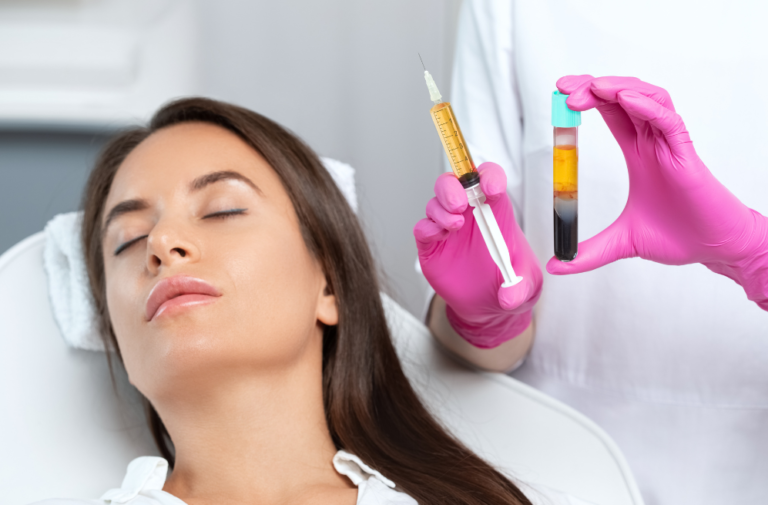
PRF stands for platelet-rich fibrin. It is a concentrated, gel-like product prepared from a small sample of your own blood. The sample is spun in a specialized centrifuge that separates the platelet-rich fibrin layer from other blood components. The resulting material contains platelets, leukocytes, growth factors, and a slow-releasing fibrin matrix that holds these elements together as they integrate into tissue.
When this PRF is processed at a controlled temperature, it forms a soft, injectable gel called biofiller. The gel can be placed beneath the skin where volume has thinned or where tissue quality has declined. Over the following weeks, the fibrin matrix slowly resorbs while the growth factors it carries activate surrounding fibroblasts to produce new collagen and elastin. For deeper context on the technology, our early prevention guide to bio fillers explains how the same mechanism is used proactively at earlier stages of aging.
The composition is fully autologous, meaning every component originates in your own bloodstream. The treatment uses no synthetic gels and carries virtually no risk of allergic reaction.
Why the under-eye area benefits from a regenerative approach
The lower eyelid is structurally unique. The skin overlying it averages around half a millimeter in thickness, less than half the thickness of the cheek skin a few centimeters below. The orbicularis oculi muscle is thin and constantly active. Beneath the muscle, a small fat pad called the suborbicularis oculi fat sits against the bony rim of the orbit. When any of these layers changes, the result is immediately visible.
Volume loss in this region rarely happens in a single dramatic shift. The suborbicularis oculi fat thins gradually while the bony rim of the orbit becomes more prominent with age. The skin loses collagen, which makes underlying vasculature more visible and creates the bluish or purplish tone often described as dark circles. Crepey texture develops as elastin diminishes. The tear trough, which is the depression that runs from the inner corner of the eye toward the cheek, becomes more defined and casts a shadow that further emphasizes the appearance of fatigue.
Many of these changes respond well to a regenerative approach. Adding a substantial amount of gel filler under thin, translucent skin can produce visible lumpiness or a bluish discoloration through the skin. PRF biofiller, by contrast, integrates into the tissue itself. Volume is restored partly through the initial gel and primarily through the new collagen the body produces in the months that follow. The improvement looks like better skin rather than added product.
Why PRF biofiller is uniquely suited to the under-eye region The under-eye area demands a treatment that improves skin quality and restores subtle volume at the same time. PRF biofiller does both. The growth factors in the gel stimulate collagen formation in the dermis, thickening translucent skin and reducing the visibility of underlying vasculature. The gel itself adds a small amount of immediate softening to the tear trough. As the fibrin resorbs over months, the collagen your body has produced remains, preserving the result without leaving any synthetic product behind. |
How PRF biofiller compares to hyaluronic acid filler under the eyes
Both PRF biofiller and hyaluronic acid filler are used under the eyes, and each has a place depending on the patient’s anatomy and concerns. The differences in mechanism and outcome are meaningful enough to be worth understanding before deciding which approach fits.
Factor | PRF biofiller | Hyaluronic acid filler |
Source material | Your own blood (autologous) | Synthetic gel manufactured from cross-linked hyaluronic acid |
Mechanism | Stimulates collagen formation and adds soft gel volume | Adds immediate volume by occupying space beneath the skin |
Onset of results | Subtle softening at first, full effect over 3 to 6 months | Immediate, refines over 1 to 2 weeks |
Duration | 9 to 12 months on average | 6 to 18 months depending on product and area |
Skin quality improvement | Yes, through new collagen and elastin formation | Minimal direct effect on skin quality |
Risk of allergic reaction | Virtually none, since the material is your own | Rare, but possible with synthetic components |
Risk of Tyndall effect | None, the material is not light-scattering | Possible when placed too superficially |
Reversibility | Naturally resorbed, not actively dissolvable | Hyaluronic acid filler can be dissolved with hyaluronidase |
Best suited for | Patients seeking natural, gradual skin quality improvement and mild volume restoration | Patients with well-defined hollows who want immediate, precise contouring |
For many patients, the two approaches are complementary rather than competing. A skilled provider may use a small amount of hyaluronic acid filler to refine a specific contour while relying on PRF biofiller to improve overall skin quality. Our guide on dermal fillers in Clarksville, TN covers the role of traditional fillers in more detail.
The treatment experience from start to finish
A PRF biofiller appointment for the under-eye area is straightforward and follows a consistent sequence.
During the consultation
Your provider examines the under-eye area at rest, looking at the depth of the tear trough, the quality of the skin, the visibility of underlying vasculature, and the position of the suborbicularis oculi fat. The conversation also includes a review of your medical history, current medications, prior treatments in the area, and any allergies. Patients on blood thinners or with certain blood disorders may need adjustments to the protocol.
Blood draw and processing
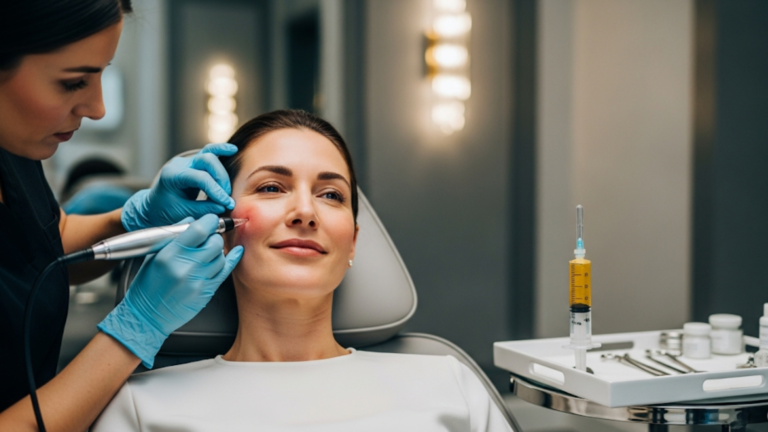
A small sample of your blood is drawn from the arm, the same way it would be for a routine lab test. The sample is placed in a specialized centrifuge that separates the platelet-rich fibrin layer over the course of several minutes. The fibrin is then processed at a controlled temperature to form a smooth, injectable gel.
Injection
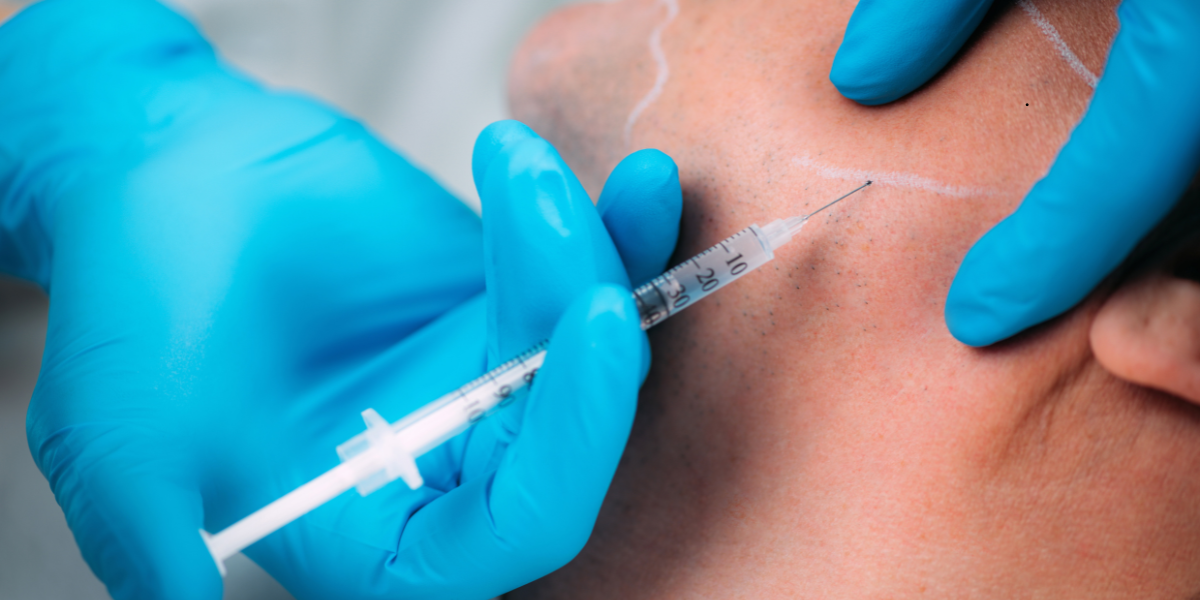
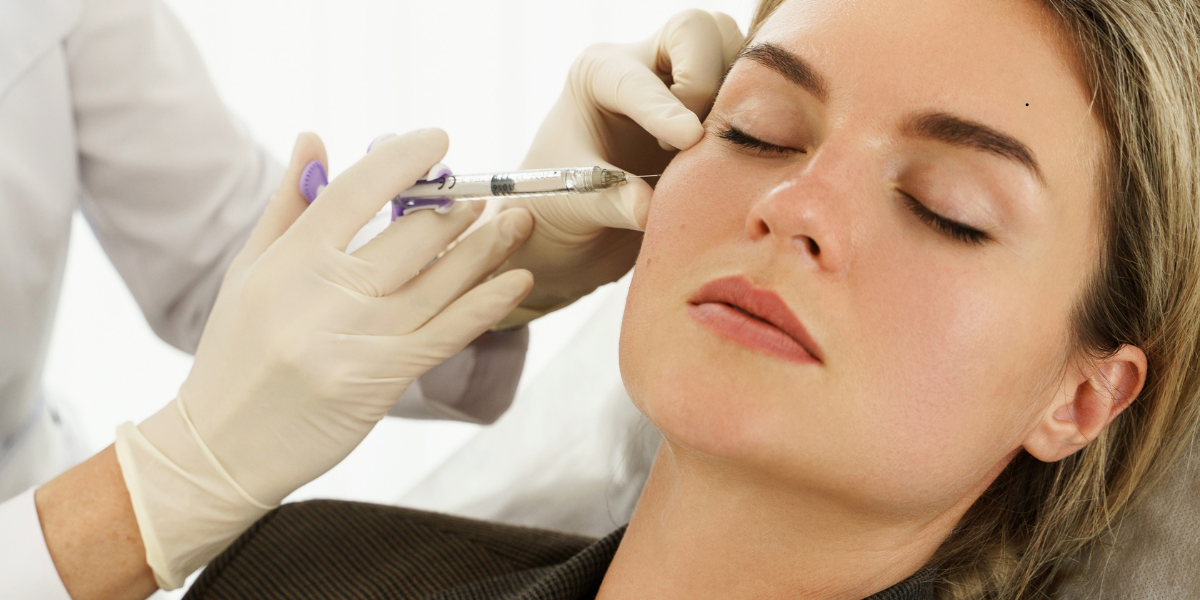
A topical numbing cream is applied to the under-eye area before the injection begins. Your provider uses either a fine needle or a blunt cannula to place small amounts of biofiller in the targeted layers of the tear trough and surrounding tissue. The technique is conservative by design. Less is more in this region. The product is distributed evenly to ensure that the growth factors reach the areas where collagen stimulation will be most beneficial.
After the appointment
Mild swelling and occasional bruising are the most common immediate effects, and cold compresses help reduce both. Most patients return to their routine the same day. Strenuous exercise and alcohol are generally avoided for 24 hours to support optimal healing. The full timeline of how results appear is covered in our PRF biofiller results timeline blog.
What the evidence says about PRF for periorbital rejuvenation
A 2025 systematic review published in the Journal of Cosmetic Dermatology analyzed 14 clinical studies on platelet-based treatments for periorbital rejuvenation. The authors concluded that PRF was consistently associated with improvements in under-eye skin texture, fine wrinkles, and crepey appearance, with favorable safety profiles and high patient satisfaction across the included studies (PMC source).
The same review noted that PRF results in the periorbital region typically build over several months as collagen forms, and that the most common side effects reported were mild and transient, including brief swelling and occasional bruising at injection sites. This evidence base is one of the reasons PRF biofiller has gained traction as a primary option for under-eye rejuvenation in patients who prefer to avoid synthetic product in such a delicate area.
Who is a strong candidate for PRF biofiller under the eyes
PRF biofiller works particularly well for patients whose under-eye concerns are driven by skin quality changes rather than significant fat loss or structural descent. Strong candidates often share a recognizable set of observations about their own appearance.
Signs that PRF biofiller is likely to suit your concerns include:
- Mild to moderate tear trough hollowing without significant fat herniation, paired with skin that has thinned or developed visible crepiness in the under-eye region.
- Persistent dark circles that appear worse with poor sleep or stress and improve only briefly with eye creams, often reflecting underlying skin thinness rather than pure pigmentation.
Patients in their 30s and early 40s often use PRF biofiller as a preventive treatment, supporting skin quality before more significant changes set in. Patients in their 50s and beyond may use it to refresh the under-eye area without a synthetic filler or surgical procedure. Those who have had reactions to traditional fillers in the past, or who prefer treatments derived entirely from their own body, find PRF biofiller a natural fit.
Some situations call for additional treatments. Patients with significant orbital fat herniation, also known as true under-eye bags, may require surgical intervention such as a lower blepharoplasty. Patients with very deep tear troughs sometimes benefit from carefully placed hyaluronic acid filler in addition to PRF biofiller, or as a first step.
When you can expect to see results
PRF biofiller produces a layered timeline of improvement. Some softening of the tear trough is visible almost immediately, primarily because of the gel itself and the temporary swelling that accompanies any injection. The result on the day of treatment represents only a portion of what will develop over the following weeks.
Over the first two weeks, the initial swelling resolves and the gel begins to integrate with surrounding tissue. The growth factors carried in the fibrin matrix activate fibroblasts in the dermis. Between weeks three and twelve, new collagen forms gradually. Skin in the treated area becomes thicker and smoother. The bluish tone of underlying vasculature becomes less visible because there is more dermal tissue covering it.
Most patients reach their peak result between three and six months after a single session. For deeper or more advanced concerns, a series of two sessions spaced six to eight weeks apart often produces a more pronounced and durable outcome. Results generally last 9 to 12 months, with the collagen component lasting longer than the gel itself.
Combining PRF biofiller with other under-eye treatments PRF biofiller is often part of a broader plan rather than a standalone treatment. Microneedling in Clarksville, TN enhances the collagen response by creating controlled micro-channels that amplify the growth factor effect. Our guide on the PRF biofiller and microneedling synergy covers this pairing in detail. For patients who also have midface volume loss, dermal fillers or biostimulators can be added to the plan to address the cheek area, which in turn reduces the visibility of the tear trough by providing better support to the under-eye region from below. |
Safety profile and what to know in advance
Because PRF biofiller is derived entirely from your own blood, the safety profile is exceptional. The active material carries no risk of allergic reaction, and there is no risk of vascular occlusion from a foreign gel. The most common side effects are localized and short-lived: mild swelling for several days and occasional pinpoint bruising at the injection sites.
Patients are typically asked to avoid blood-thinning medications and supplements such as fish oil, high-dose vitamin E, ibuprofen, and aspirin for several days before treatment, unless these have been prescribed by a physician. Adequate hydration in the days leading up to the appointment supports a higher-quality blood draw and a more concentrated PRF preparation.
The technique used during injection matters as much as the product itself. The under-eye area sits close to important vascular structures, and only providers with training in periorbital anatomy should perform injections here. At Face Fabulous Med Spa, every PRF biofiller treatment is performed with attention to anatomical depth and conservative dosing principles that prioritize a natural result.
Frequently asked questions about PRF biofiller for under-eye rejuvenation
Will I see results immediately
You will see some change right away because the gel itself adds volume and there is some initial swelling. The result on the day of treatment is part of the full outcome. The most meaningful improvement develops between weeks three and twelve as new collagen forms.
Does the treatment hurt
A topical numbing cream is applied before the injection, and most patients describe the sensation as mild pressure rather than pain. The blood draw uses the same technique as a routine lab test.
How long do the results last
Results generally last nine to twelve months. The fibrin gel itself resorbs over the first several months, while the collagen your body has produced remains longer. Many patients schedule a maintenance session annually.
How does PRF biofiller compare in safety to hyaluronic acid filler under the eyes
PRF biofiller carries a different safety profile because it is derived from your own blood. The active material poses no risk of allergic reaction and cannot cause the Tyndall effect that sometimes occurs with hyaluronic acid filler placed too superficially under the eyes. Both options can be safe when performed by a skilled provider. The right choice depends on your anatomy and goals.
Can I combine PRF biofiller with other treatments
Yes. PRF biofiller pairs well with microneedling, dermal fillers in adjacent areas, and skin quality treatments. Your provider will recommend a sequence based on your specific concerns.
How many sessions will I need
Many patients see meaningful improvement after one session. A second session six to eight weeks later is often recommended for more pronounced or longer-lasting results, particularly for patients with more advanced under-eye changes.
A refreshed under-eye area that still looks like you
The most successful under-eye treatments are the ones no one can quite identify. Skin looks brighter and the tear trough softens. There is no obvious sign that anything was added.
PRF biofiller delivers that quality of result because the improvement comes from the body’s own regenerative processes. New collagen forms in the skin you already have. The fibrin matrix that delivered the growth factors gradually disappears. What remains is healthier tissue and a more rested appearance that integrates into the rest of the face without disrupting its proportions.
At Face Fabulous Med Spa in Clarksville, Tennessee, every PRF biofiller treatment is informed by careful anatomical assessment and a conservative philosophy that prioritizes long-term skin health over dramatic short-term volume. If you are considering a natural approach to under-eye rejuvenation, schedule a consultation and let our team design a plan around your concerns.
References
- Sollitto CF, Narduzzi M, Wolinsky C. A Systematic Review of Platelet-Rich Plasma Versus Platelet-Rich Fibrin for Periorbital Rejuvenation. Journal of Cosmetic Dermatology. 2025;24(11):e70524. Available at: https://pmc.ncbi.nlm.nih.gov/articles/PMC12587466/
- Davies C, Miron RJ. PRF in Facial Esthetics. Quintessence Publishing Company; 2020.
- Evaluation of the Effect of Platelet Rich Fibrin Matrix in the Correction of Periorbital Wrinkles: An Experimental Clinical Trial. Dermatology Practical & Conceptual. Available at: https://dpcj.org/index.php/dpc/article/view/2535