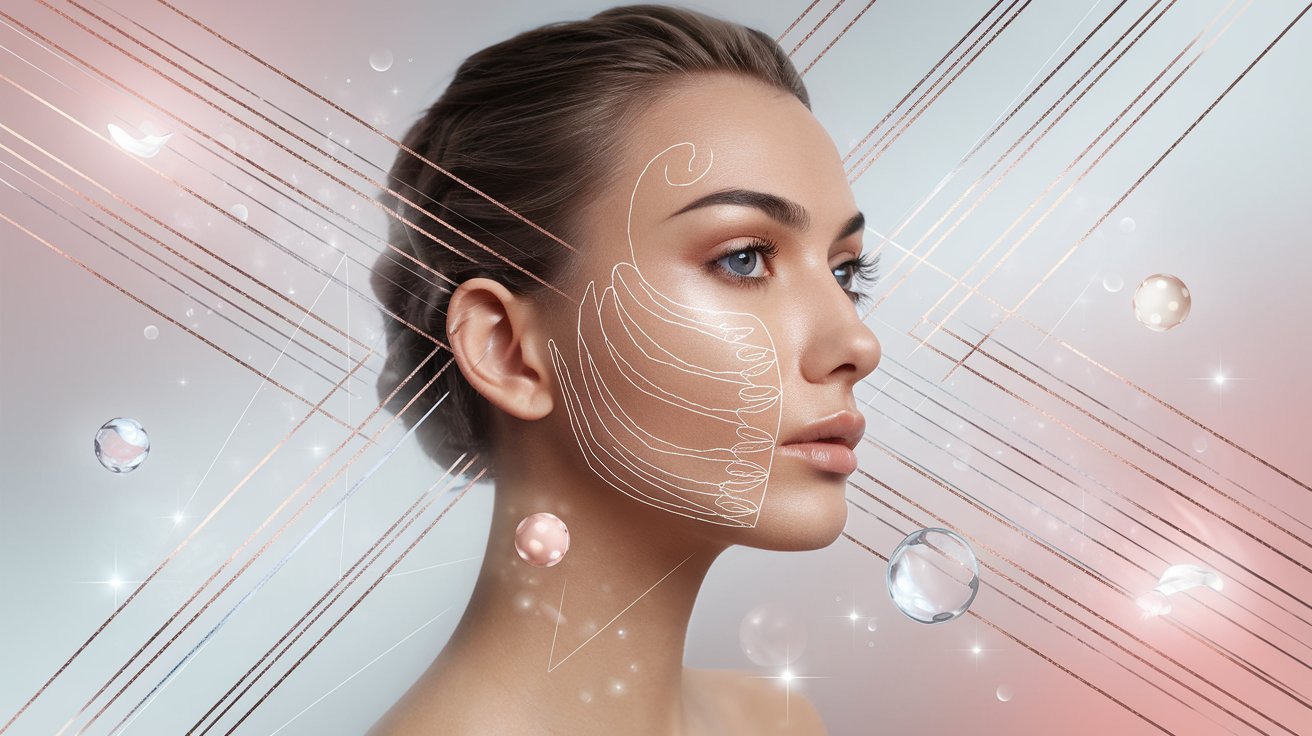
You like the shape of your lips when your face is at rest, then you smile and your top lip seems to disappear, rolling inward and thinning until there is almost nothing left to see. That single moment sends a lot of people searching for lip filler, when the result they actually want comes from two treatments working side by side.
A lip flip and lip filler solve different halves of the same problem. One changes how your lip moves, the other changes how much lip there is to see. Booked together, they produce a fuller, better defined mouth that still reads as yours, and they often let your provider reach that result with less product. At lip fillers in Clarksville, TN, the two are frequently mapped out as a single plan rather than two separate visits.
What is a lip flip, and what does it do?
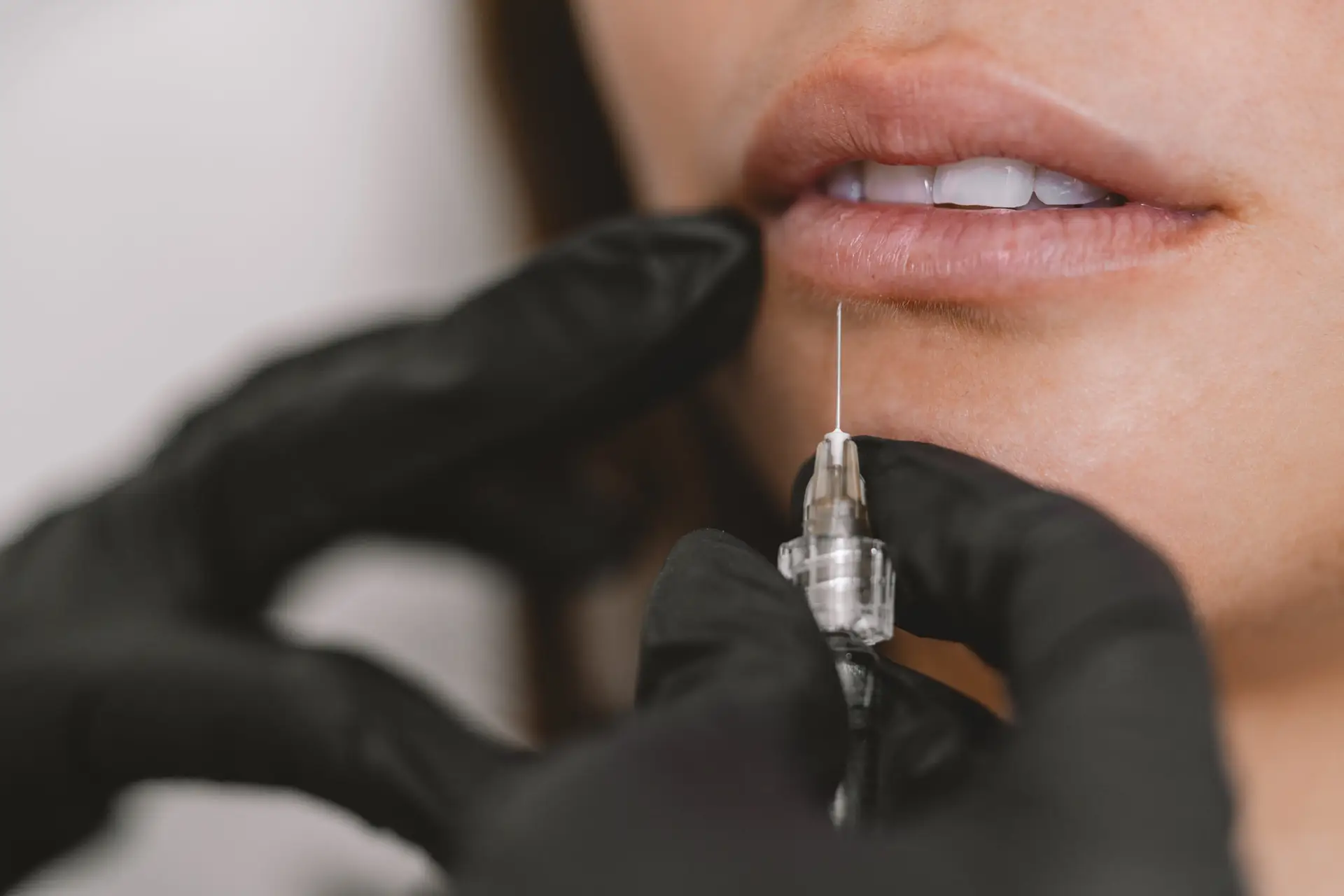
A lip flip is a small neuromodulator treatment that changes the resting behavior of your upper lip. A provider places a few units of a botulinum toxin product such as Dysport into the orbicularis oris, the ring of muscle that circles the mouth, right at the upper vermilion border where the lip meets the skin. The muscle relaxes in that narrow zone, and the edge of the lip rolls gently outward, or everts, so more of the pink lip shows when you smile and speak.
The effect is subtle by design. No product is added, so the size of your lip holds steady while the amount of it on display goes up. People who lose their upper lip when they smile, or who show a strip of gum above it, tend to see the biggest change, since relaxing that muscle both reveals more lip and softens a gummy smile. The same neuromodulator family used for forehead and frown lines does the work here, and you can read more about how it is used across the face on our Dysport in Clarksville, TN page.
What is lip filler, and how does it work?
Lip filler is a gel, usually made from hyaluronic acid, that a provider injects into the body of the lip to add volume and shape. Hyaluronic acid is a sugar molecule your skin already produces, and in filler form it binds water and holds its shape beneath the surface, which is why the result is visible the moment it is placed. A provider can build height in the body of the lip, sharpen its border, define the cupid’s bow, or correct an asymmetry, depending on where the product goes and how much is used.
Because filler works by occupying space, it answers the question of size directly. A thin lip becomes a fuller one, and the change is there as soon as any swelling settles. This is the treatment most people picture when they think about lip enhancement. Our blog on the area-specific benefits of dermal fillers walks through how placement changes the outcome from one part of the face to the next.
Why combine a lip flip with filler?
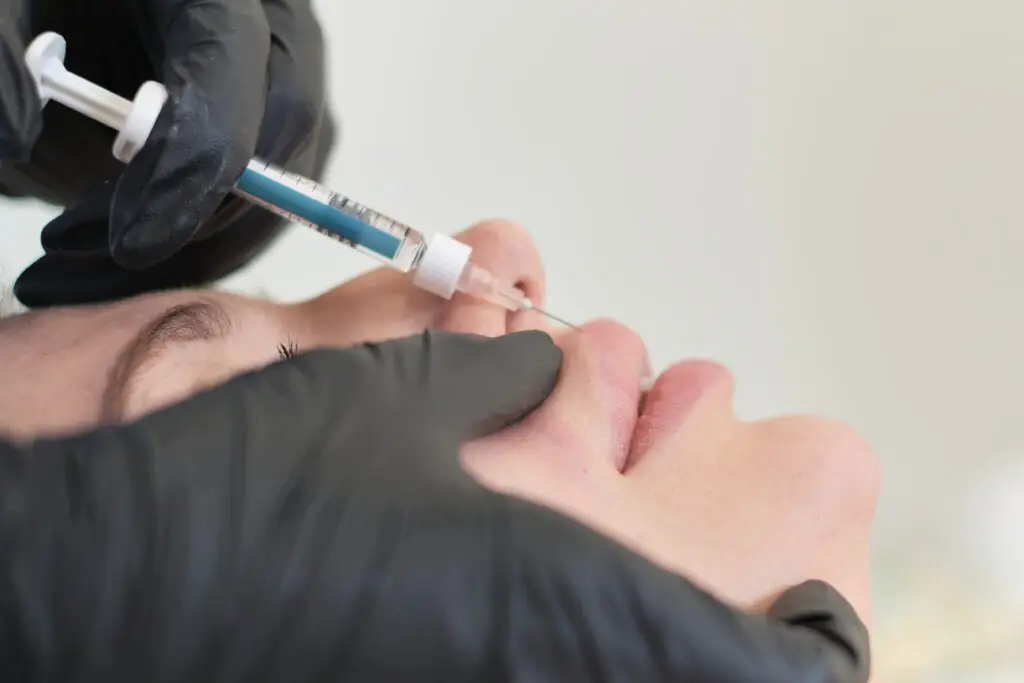
The two treatments cover different territory, so pairing them addresses both the movement of the lip and its volume in one plan. Here is what that partnership manages that neither treatment does alone.
A lip flip reveals the lip you already have, and filler builds on what the flip exposes. When the upper lip everts first, a provider can see the lip’s true resting position and place volume where it will actually show, rather than guessing at how the lip will sit once it relaxes. The filler then reads as fullness across a lip that is already turned outward, which looks far more like a natural pout than filler placed into a lip that still curls under when you smile.
The combination also balances the mouth. Many people carry more natural volume in the lower lip, and an upper lip that thins on smiling widens that gap. The flip lifts and exposes the upper lip while filler is concentrated where the proportion needs correcting, bringing the two lips closer to the ratio that reads as balanced on most faces.
There is a quieter benefit that patients tend to appreciate later, and that is control over the gummy smile. Filler on its own does nothing for the muscle that lifts the upper lip too high. The flip relaxes it. Someone getting filler for fullness who also shows gum when they smile can settle both concerns in the same sitting instead of coming back for a separate appointment.
Why combining the two often means using less filler? A lip flip changes the shape and exposure of the upper lip without adding a drop of product. When that eversion is handled by the neuromodulator, the upper lip already looks fuller before any gel goes in, so a provider can often reach the look you want with a smaller amount of filler. For patients who worry about the overfilled appearance, this is one of the strongest reasons to plan the two together rather than asking filler to do everything. |
How do a lip flip and lip filler compare?
The clearest way to see why the two belong together is to line up what each one actually does.
Lip flip | Lip filler | |
|---|---|---|
Primary material | Botulinum toxin type A, such as Dysport | Hyaluronic acid gel |
How it works | Relaxes the upper lip muscle so the lip rolls outward | Adds volume by filling the body of the lip |
Effect on size | Same amount of lip, more of it visible | A genuinely fuller lip |
Best suited for | A gummy smile and a top lip that vanishes when you smile | Adding volume, shaping the border, correcting asymmetry |
When you see it | Builds over 3 to 5 days | Immediate, refines over 1 to 2 weeks |
How long it lasts | About 2 to 3 months | About 9 to 18 months, by product |
Amount used | A few units of neuromodulator | Measured in syringes, often half to one to start |
What does the research say about the lip flip?
The lip flip is a younger procedure than filler, and it has been studied on its own terms. A 2025 systematic review in Archives of Dermatological Research examined the technique across the published literature and found that it typically uses 4 to 6 units of botulinum toxin placed into the orbicularis oris, producing consistent eversion of the upper lip with high patient satisfaction and only mild, short-lived side effects such as temporary difficulty whistling or sipping through a straw (Archives of Dermatological Research).
That small dose is worth keeping in mind. A lip flip is a light touch by nature, which is part of why it pairs so cleanly with filler rather than competing with it.
Who is a good candidate for a lip flip and filler together?
This pairing suits people whose lip concern has more than one cause. If your lips are naturally thin and your upper lip also disappears when you smile, filler handles the first issue while the flip handles the second. Patients who have had filler before and felt their upper lip still curled under, or still showed gum, are often ideal candidates for adding a flip at their next appointment.
A couple of signs point toward the combination:
- Your upper lip looks fine at rest but thins or rolls inward when you smile, and filler alone has not fully corrected it.
- You want more upper lip volume while avoiding a heavy, overfilled look, so trimming the amount of filler with a flip appeals to you.
Not everyone needs both at once. Someone who simply wants a touch more volume may do beautifully with filler by itself, and someone whose only issue is a gummy smile may need only the flip. The value of a consultation is sorting out which of these describes you before anything is injected.
How is the combined treatment sequenced?
Timing matters when two treatments share the same small area. Many providers place the lip flip first and add filler either at the same visit or a couple of weeks later, once the flip has taken hold and the upper lip’s new resting position is visible. Seeing where the lip settles lets the injector place filler with the eversion already accounted for, which is part of why the combined result can look so natural.
At Face Fabulous Med Spa, the sequence is decided during your consultation based on your anatomy and your goals. Some patients do both in one appointment for convenience. Others prefer to flip first, live with it for a week or two, then return for filler once they can watch how the lip moves. Both routes work, and your provider will talk through the trade-offs of each.
How long do the results last, and how do you keep them up?
The two halves of the treatment fade on different clocks, which is worth planning around. A lip flip generally lasts about 2 to 3 months, since the small dose of neuromodulator at the vermilion border wears off sooner than a full expression-line treatment would. Lip filler lasts far longer, commonly 9 to 18 months depending on the product and how quickly your body metabolizes it.
In practice, you will refresh the flip more often than the filler. Many patients settle into a rhythm where the filler is topped up once or twice a year while the flip is repeated several times across that span to keep the upper lip everted. Booking the flip roughly two weeks ahead of an event gives it time to reach full effect, the same timing logic that applies to any neuromodulator treatment.
What should you expect during recovery?
Recovery from the pairing is straightforward, and most people head back to their day right after the appointment. Filler can bring some swelling and occasional bruising in the lip for a few days, and the lip may feel firm or slightly uneven while the product settles, which eases as it integrates. The flip itself carries almost no downtime, though you may notice minor changes in how you purse your lips for a week or so, which is simply the muscle relaxing as intended.
A couple of habits protect the result in the first day:
- Keep the area clean and avoid firm pressure on the lips, so the filler settles where it was placed and the neuromodulator stays put.
- Hold off on strenuous exercise and heat sources like saunas for the first day, and go easy on alcohol, since extra blood flow and heat tend to worsen swelling.
Our Dysport aftercare guide covers the neuromodulator side of aftercare in detail, and your provider will hand you lip-specific instructions for the filler.
What if you want a more natural alternative to synthetic filler?
Some patients like the idea of the flip but prefer a volume option drawn from their own body rather than a manufactured gel. For them, bio filler in Clarksville, TN offers a route. It uses platelet-rich fibrin from a small sample of your own blood to restore softness and prompt collagen, and it can be paired with a lip flip much the way hyaluronic acid filler is. The mechanism is slower and the volume subtler, so it suits people who want a gradual change, and your provider can tell you whether your lip goals fit that approach.
Frequently asked questions about getting a lip flip and filler together
Can you get a lip flip and filler on the same day?
Yes. Many patients have both done in one appointment. Some providers prefer to place the flip first and add filler a week or two later so the lip’s new resting position is visible, though same-day treatment is common and safe when performed by an experienced injector.
Will a lip flip make my lips bigger?
A lip flip changes how much of your lip shows rather than how big it is. It relaxes the upper lip muscle so the lip rolls outward and appears fuller, while the actual size stays the same. Filler is the part that adds real volume.
How long will the combination last?
The filler portion typically lasts 9 to 18 months, while the lip flip fades faster at around 2 to 3 months. Most patients refresh the flip a few times a year and top up filler once or twice over the same period.
Does adding a flip hurt more than filler alone?
The flip involves only a few tiny injections at the upper lip border and takes moments. Most patients find it adds little to the overall feel of a lip appointment. A topical numbing cream and the fine needles used keep the experience manageable for the great majority of people.
Is the combination right for a gummy smile?
It can be a strong fit. The flip relaxes the muscle that lifts the upper lip too high, which reduces how much gum shows, while filler shapes and fills the lip itself. Someone whose main concern is the gummy smile alone may need only the flip.
Who should avoid a lip flip with filler?
People who are pregnant or breastfeeding, along with those who have certain neuromuscular conditions or a history of reaction to these products, should hold off, and your provider will review your history first. Anyone whose goal is purely volume, with no concern about lip movement, may not need the flip at all.
A fuller lip that still moves like yours
The strongest lip results usually come from treating the lip as it moves, not only as it sits still. A lip flip and filler together do exactly that. The flip governs how your upper lip behaves when you smile and speak, filler governs how much lip there is to see, and the two settle into a mouth that looks fuller and more balanced without announcing that anything was done.
At Face Fabulous Med Spa in Clarksville, Tennessee, every lip plan starts with a close look at how your lips rest and move, guided by a conservative philosophy that favors a natural result over an obvious one. If you want fuller, better proportioned lips and a provider who will map the right mix of flip and filler for your face, schedule a consultation and let our team build a plan around your goals.